Finding freedom from gambling addiction steps to reclaim your life
Understanding Gambling Addiction
Gambling addiction, also known as compulsive gambling, is a serious condition that affects millions of individuals worldwide. It is characterized by an uncontrollable urge to gamble despite the negative consequences it may bring to one’s life. This addiction can lead to financial ruin, strained relationships, and severe emotional distress. Understanding this addiction is the first step towards recovery, as recognizing the problem allows individuals to seek help and take control of their lives. Many people start gambling for entertainment or social reasons; however, the thrill can quickly escalate into an obsession. This shift often occurs when individuals experience a winning streak, creating a false sense of confidence. Over time, the need to gamble becomes stronger, and losses may lead to increased gambling to chase losses, perpetuating a destructive cycle. Awareness of these patterns is crucial for breaking free from addiction. Furthermore, resources are available, including https://venus55-australia.com/games/ that offer insights on betting systems to enhance strategies.
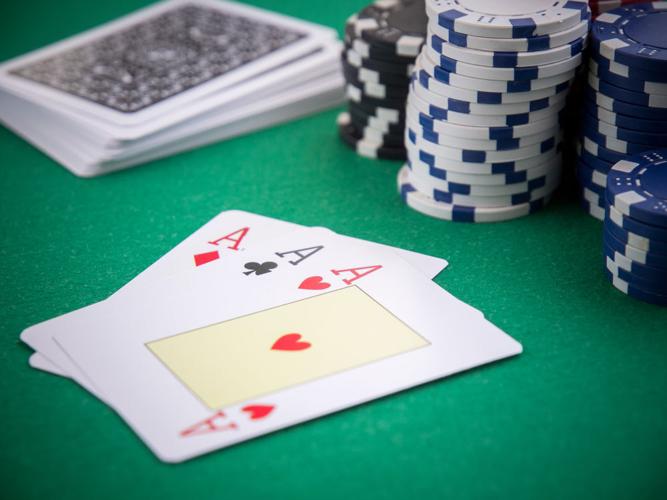
Additionally, gambling addiction can co-occur with other mental health issues, such as depression or anxiety. These underlying conditions may exacerbate compulsive gambling behaviors, making recovery more challenging. Acknowledging and addressing these interconnected issues is essential for a holistic approach to overcoming addiction and reclaiming one’s life.
Identifying Triggers and High-Risk Situations
Identifying personal triggers is a fundamental step in overcoming gambling addiction. Triggers can vary significantly from person to person and may include emotional stress, financial problems, or social pressures. By recognizing these triggers, individuals can develop effective strategies to avoid or manage them, thereby reducing the likelihood of relapse. Keeping a journal to document feelings and situations that lead to gambling can also be beneficial.
High-risk situations, such as visits to casinos or engaging with gambling advertisements, can provoke the urge to gamble. It’s essential to find alternative activities or coping mechanisms to replace these triggers. For instance, individuals can seek out hobbies that offer excitement and engagement without the financial risk associated with gambling. This proactive approach can help in forming a new, healthier lifestyle.
Moreover, engaging with support groups or therapy can provide individuals with tools to deal with their triggers effectively. Sharing experiences with others who face similar challenges can foster a sense of community and belonging, which is vital in the recovery process. Building a robust support system can serve as an essential safeguard against the temptation to gamble.
Seeking Professional Help
Seeking professional help is a crucial step in the journey to recovery from gambling addiction. Therapists and counselors specializing in addiction can offer tailored strategies and therapies that address the unique needs of individuals struggling with gambling. Cognitive-behavioral therapy (CBT) is particularly effective as it helps individuals identify harmful thought patterns and behaviors and replace them with healthier ones.
In some cases, medication may also be prescribed to help manage symptoms associated with gambling addiction, such as anxiety or depression. These medications can assist in reducing cravings and improving overall mental health. It is vital to consult a healthcare professional to explore all available options and find the right treatment plan.
Support groups like Gamblers Anonymous offer a safe space for individuals to share their experiences and gain encouragement from others who have walked the same path. These groups can significantly enhance the recovery process by providing accountability and camaraderie. Engaging in both professional treatment and peer support is often the most effective way to ensure lasting recovery.
Developing Healthy Coping Mechanisms
Developing healthy coping mechanisms is essential for individuals overcoming gambling addiction. Many people turn to gambling as a way to escape from stress, boredom, or emotional pain. Instead of resorting to gambling, individuals can explore alternative activities that promote well-being and relaxation. Engaging in physical exercise, meditation, or creative hobbies can serve as positive outlets for stress and emotions.
Moreover, establishing a structured daily routine can help keep individuals focused and reduce the temptation to gamble. Incorporating activities that are enjoyable and fulfilling can create a sense of purpose. This newfound sense of direction can be vital in maintaining motivation and preventing relapse.
Additionally, cultivating strong relationships with family and friends can provide emotional support during challenging times. Open communication about struggles with addiction can help to reinforce accountability and build a network of encouragement. Surrounding oneself with positive influences fosters a healthier environment, further aiding in the recovery journey.
Finding Supportive Resources and Communities
Finding supportive resources and communities plays a pivotal role in overcoming gambling addiction. Numerous organizations provide valuable information, support, and tools for individuals and their families. These resources can include hotlines, counseling services, and community-based support groups that offer a sense of solidarity and understanding. Connecting with others who have faced similar struggles can be incredibly empowering.
Online forums and social media groups also provide platforms for sharing experiences and advice, making it easier to reach out for help, even from the comfort of one’s home. Engaging in these communities can alleviate feelings of isolation and encourage individuals to stay committed to their recovery journey. Many people have found solace and motivation through the shared stories and triumphs within these networks.
Additionally, websites like Venus55 promote responsible gaming practices and offer tools for individuals seeking to understand their gambling habits better. They provide access to resources that encourage transparency and help users make informed choices. By leveraging these supportive environments, individuals can gain the confidence needed to reclaim their lives from gambling addiction.